There are three major considerations in choosing a durable net wrap. These are the composition of the net wrap, its durability, and its cost-effectiveness. First, the composition of the net wrap will be researched to determine if the chosen material can resist environmental elements, shed water, and reduce storage loss. In addition, it should be easy to digest, which will be a factor in its durability.
 When choosing a durable net wrap for a project, the product’s durability is important. However, there are other things to consider. Other factors should also be considered, including its functionality, cost, and environmental impact. The composition of the net wrap is also an important factor to consider. The materials used should resist environmental elements, shed water, and reduce storage loss. The ingredients must also be considered, as they must be digestible.
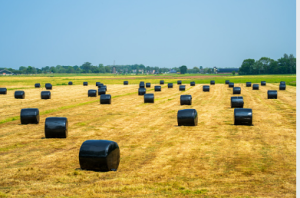
Net wraps help to hold hay bales together and keep them from buckling or cracking during storage. This method also reduces the amount of material lost due to heavy handling. In addition, it makes them more durable and useful for various applications. Net wraps also increase the production of bales, increasing the amount of hay and bales by as much as 32 per cent. In contrast, twine is a less expensive option, but it can cost you more in other ways.
Using a net wrap to wrap your bales is a good idea, especially if you plan to store the bales on gravel. It will help minimise the risk of leakage and reduce the chances of vermin getting under the bales. A high-density polyethylene net wrap will also prevent stretching, which reduces your bales’ nutritional value when fed to your livestock.
Three main considerations for durable net wrap
If you’re looking for a durable net wrap, there are a few main factors you need to consider. First, you’ll want to ensure you’re buying a high-quality product. The higher the quality, the more durable it will be. You’ll want to choose a durable wrap to protect bales from damage. Second, you’ll want to ensure the wrap will hold the bales in place. In the Upper Midwest, the net wrap may be expensive and time-consuming.
Third, consider the environmental impact of the wrap. Even if it’s labelled as biodegradable, it’s not completely harmless. Some material gets trapped in livestock’s rumen, leading to health problems and decreased feed efficiency. It can also negatively impact livestock longevity. It is why researchers are working on ways to develop a more digestible wrap that will still provide the same benefits.
TENAX Extruded Bale Net Wrap
TENAX Extruded Baler Net Wrap is a great choice for farmers who want to maximise their crop yield. Its innovative design works with popular hay balers to reduce crop loss while producing a higher-quality result. In addition, it enhances the water-shedding ability of crops.
ARMOUR NET(tm) Extruded Bale Net Wrap
ARMOUR NET(tm) extruded bale net wrap is an excellent option for producers looking to save time and money using a high-quality net wrap. This innovative product is made of High-Density Polyethylene, a thermoplastic resin from ethylene. The material has great weight and strength properties, making it suitable for various agricultural applications.
Baletite
Baletite is a five-layer, pre-oriented film that replaces netwrap in round silage bales. It is used in baling machines and provides a higher air barrier and denser bales. The film’s rigidity prevents it from elongating post-bale, which leads to higher-quality silage. Baletite is recyclable and compatible with Silotite Pro, the most widely used netwrap.
Unlike the traditional netwrap, Baletite can be used on both sides of a bale and on a large scale. Its double-sided tack ensures a secure, airtight seal and prevents tails during bale wrapping. It is also easy to open and comes in sleeve packaging.
A reliable net wrap is important in preventing crop damage and downtime. Many farmers spend time and money preparing their fields for a baling season and want to protect their investment using a durable net. While it can be tempting to go cheap, you’ll be better off investing in a high-quality net. You can avoid downtime, crop damage, and costly repair bills.